
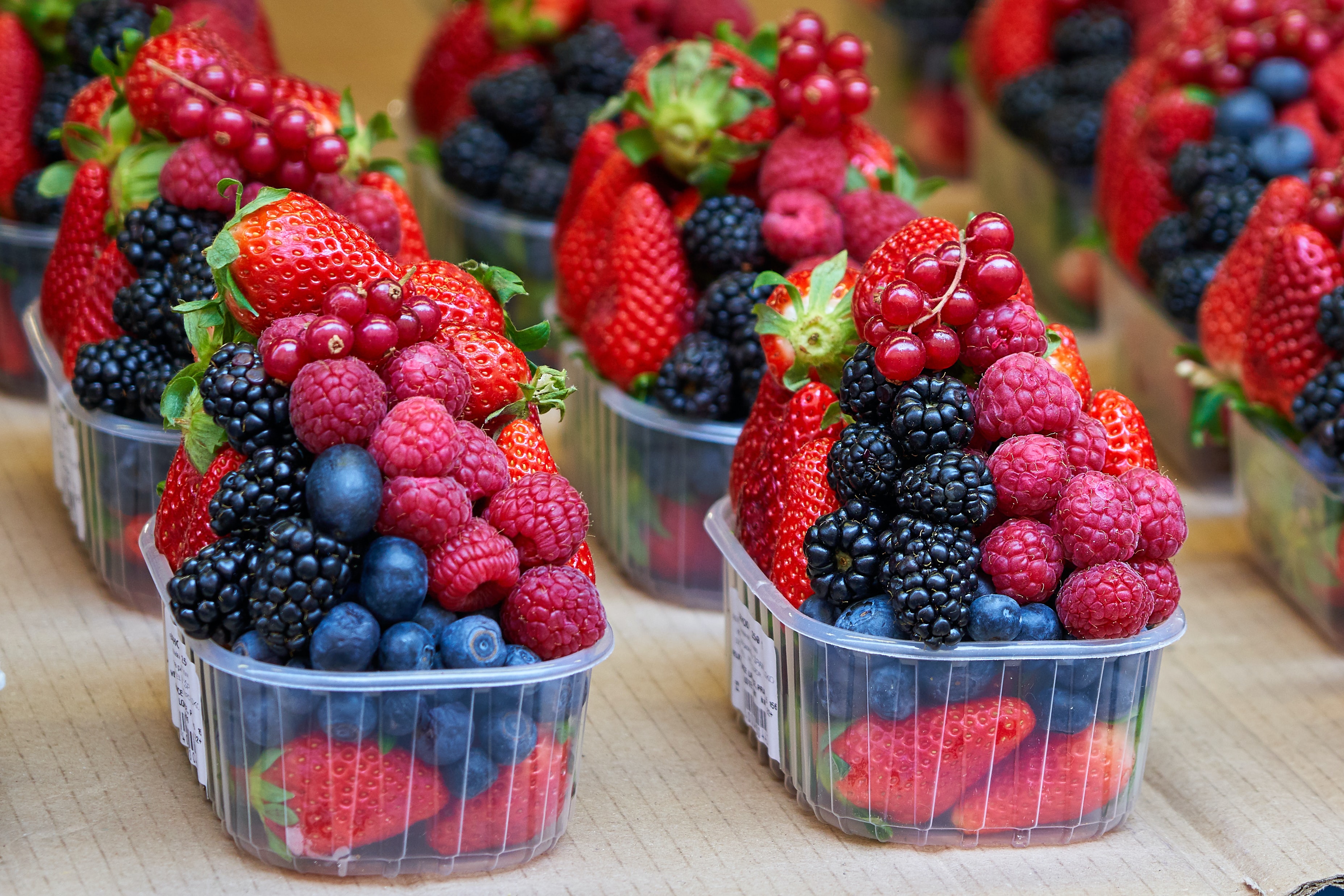
Background to supermarket-wide frozen berry recall
An outbreak of Hepatitis A (Hep A) cases resulted in a supermarket-wide recall of imported frozen mixed berries.
Earlier this month, an outbreak of Hepatitis A (Hep A) cases resulted in a supermarket-wide recall of imported frozen mixed berries. They were from Serbia, but because they were mixed berries, the product likely had many hard to trace sources. The Hep A virus can survive on frozen product for a long time.
In January this year, the Centre wrote an article, published by Stuff, warning of the dangers of this virus ( https://www.stuff.co.nz/science/300491217/should-the-hepatitis-a-vaccine-be-mandated-in-nz ) It can cause serious infection, with symptoms including fever, loss of appetite, upset stomach and diarrhoea, and is characterised by jaundice (yellow skin). This outbreak landed seven out of the 15 infected people in hospital. To be on the safe side, MPI has advised consumers to boil all frozen berries for one minute, after which they can safely be refrozen if required.
This recent recall coincided with the beginning of our own NZ berry season, and reminds us of the findings of research carried out in NZ in the wake of another outbreak in 2002 traced to blueberries. Local growers conducted research to find out where the vulnerabilities might be in their production chain. It concluded that the containers the berries are first deposited in, the larger containers they go into for transport to the processing facility, the conveyor belt they travel on plus, of course, the hygiene practices of pickers and processors, were the critical points. Berries cannot be washed before sale, so there is an inherent risk of contamination.
Anne-Marie Arts of United Fresh says that although this current outbreak was due to imported frozen product, the worry is that consumers will steer away from all berries for a time. “Our producers will be redoubling their efforts to make sure their produce is safe. FSANZ recently produced guidelines for the Australian market which are worth studying.” Anne-Marie adds that COVID-19 has done us a big favour by hammering home the importance of handwashing, and having good washing facilities for workers.
Most NZ berries – we’re talking strawberries, raspberries and blueberries in the main – are consumed fresh, and with the rise of the smoothie, we can’t get enough of them. Again, fresh berries cannot be washed prior to sale, as this would spoil them.
Berry production has increased up to 30% each year in recent times. Anne-Marie says the industry is going through a transition to cultivation under cover, with or without artificial lighting. This means fresh berries can now be available from September right through to April. Given the recent unseasonably cold, wet weather - for example there was a five degree frost in the Waikato on 7 October – the movement indoors seems like a very wise move.
The New Zealand Food Safety Science and Research Centre is working with Anne-Marie and other food safety leaders in horticulture on a risk assessment for all fresh produce.
Dr Libby Harrison, Director, NZ Food Safety Science & Research Centre
Published on: 13 October 2022


